
Peak Physio Blog

Screenshot_20260415_144115_Chrome.jpg

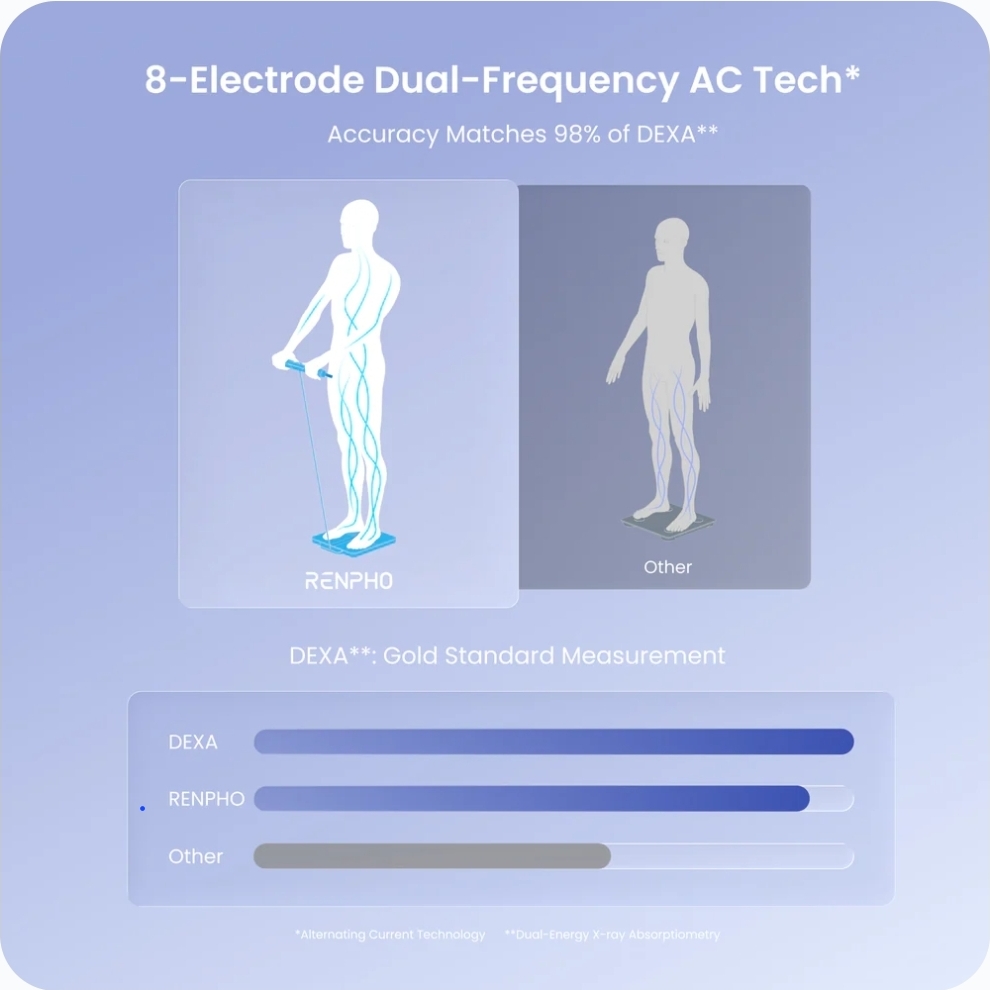
Osteoprosis Focus: “DEXA vs. BIA: Which one should you use to track bone health in your 60s?”

DEXA vs. BIA: Which One Should You Use to Track Bone Health in Your 60s?

By Yordan Delchev, Senior Physiotherapist, MSc Sport & Exercise Medicine


If you’ve been told your bone density needs attention — or you’re simply being proactive about healthy ageing — you’ve likely come across two names: DEXA and BIA. Both are used to assess body composition, and both have a role in managing bone and muscle health. But they measure very different things, and understanding the distinction could genuinely change how you approach your health in your 60s and beyond.


What is DEXA?

DEXA (Dual-Energy X-ray Absorptiometry) is the clinical gold standard for measuring bone mineral density (BMD). It uses two low-dose X-ray beams to assess the density of bone tissue — most commonly at the lumbar spine and hip, which are the sites most vulnerable to osteoporotic fracture.

A DEXA scan produces a T-score, which compares your bone density to that of a healthy young adult. It’s the measurement your GP or consultant will use to diagnose osteopenia or osteoporosis, and to determine whether medication like bisphosphonates is warranted.

DEXA also provides a breakdown of lean mass and fat mass by body region — useful additional information, but not its primary purpose.

When DEXA is essential:

  • You’ve received a diagnosis of osteoporosis or osteopenia
  • You’ve had a fragility fracture (a break from a low-impact event)
  • Your GP has referred you for a bone health assessment
  • You’re on long-term corticosteroid medication
  • You’re post-menopausal and want a baseline measurement


What is BIA?

BIA (Bioelectrical Impedance Analysis) works on an entirely different principle. It passes a small, safe electrical current through the body and measures how it travels through different tissue types. Because muscle conducts electricity more readily than fat, BIA can estimate body composition — specifically muscle mass, fat mass, and body water.

Modern medical-grade BIA devices (including the one we use at Peak Physio) also estimate visceral fat, phase angle (a marker of cellular health), and skeletal muscle index — all of which are highly relevant to healthy ageing.

What BIA cannot do is measure bone density directly. It doesn’t produce a T-score and cannot diagnose osteoporosis.

Where BIA excels:

  • Tracking changes in muscle mass over time — critical for detecting and monitoring sarcopenia
  • Monitoring visceral fat, which is a key cardiovascular and metabolic risk marker
  • Assessing hydration status and cellular health
  • Frequent, low-cost monitoring (no radiation, no referral required)
  • Evaluating the impact of an exercise or nutrition programme on body composition

The Key Distinction: Bone vs. Muscle

This is the most important point to understand. In your 60s, you’re typically managing two parallel risks:

  1. Bone loss (osteoporosis / osteopenia) — the weakening of bone tissue
  2. Muscle loss (sarcopenia) — the gradual decline in skeletal muscle mass that accelerates after 50

These two conditions often coexist, and together they dramatically increase the risk of falls and fractures. But they require different tools to assess.

DEXA tells you about your bones. BIA tells you about your muscles. For a complete picture of your musculoskeletal health in your 60s, you arguably need both.


A Practical Framework

DEXA BIA
Measures Bone mineral density Muscle, fat, hydration
Diagnoses Osteoporosis / osteopenia Sarcopenia risk
Frequency Every 1–2 years (clinical) Every 8–12 weeks (monitoring)
Radiation Low dose None
Availability Hospital / clinic referral Available at Peak Physio
Cost Via GP / health insurance Included in our longevity assessments

Our Recommendation

If you haven’t had a DEXA scan and you’re in your 60s — particularly if you’re female, post-menopausal, or have risk factors for osteoporosis — speak to your GP about a referral. It’s the only way to get a definitive picture of your bone density, and many people don’t know they have significant bone loss until a fracture occurs.

At Peak Physio, we use medical-grade BIA as part of our Osteoporosis assessments to monitor muscle mass, track body composition changes, and guide your exercise programme over time. It’s a fast, painless, and highly informative tool — and when used alongside DEXA data, it gives us a genuinely comprehensive view of how your body is ageing.

The goal isn’t just avoiding fractures. It’s building a body that stays strong, resilient, and capable — for as long as possible.


Interested in a body composition assessment or Osteoporosis consultation? Book online at peakphysio.ie or call us to speak with Yordan directly.

read more
EoinOsteoprosis Focus: “DEXA vs. BIA: Which one should you use to track bone health in your 60s?”
taxes-740202_1920.jpg

Claim Your Medical Expenses

Claim Your Medical Expenses!

All major health insurers recognise care provided by Chartered Physiotherapists at Peak Physio.

To check your own cover, please review your own policy for its terms and conditions. We will provide receipts for all your treatment sessions either session by session or a full receipt of all visits at the end of  treatment depending on your preference.

If your health insurance provider does not cover you, you can also claim back some of your fees by claiming through your tax return form at the end of the year. To find out more click on the following link: How to claim health expenses

Below are some examples of the policies that are provided by different insurance companies:


                               Irish Life

Irish life covers both physiotherapy and acupuncture (depending on your own policy) and pre/post natal Pilates.

Physiotherapy:

Day to Day Plans cover physio – Depending on the plan

  • €25 back up – up to 5 visits
  • €30 x 3 visits
  • Physio visits covered 50% up to €25 x 8 visits each

Day to Day Business Plans:  Depending on the plan

  • €20 x 3 visits

Day to Day Health Plans: Depending on the plan

  • physio visits – 50% up to €30 x 25 visits each (subject to €50 excess)

Enhanced Health Plans: Depending on the plan

  • Money back on everyday medical expenses – physio sessions
  • Physio visits – €65 x 10 visits each

Acupuncture:

Acupuncture as part of Complementary Therapy:

  • €25 per visit x 3 visits.

Pilates:

Enhanced Maternity -Pilates Cover:

  • Pre/post natal Yoga & Pilates: €20 per visit x 2 visits


Please note that excesses may apply to some schemes. Please consult Irish Life Health to see what your Health Insurance policy will cover.

                                                       VHI                         

VHI covers both physiotherapy, acupuncture and Maternity Pilates(depending on your own policy) .

Physiotherapy:

One Plan Extra:

  • Physiotherapy cover – €25

Family Plan Plus Level 1:

  • Physiotherapy x 7 visits up to  €25 per visit

Healthsteps Gold:

  • Physiotherapy cover – x 7 visits up to €35 per visit

 One Plan Starter Day 2 Day

  • Physiotherapy x 3 visits at €20 per visit

Company Plan Extra Level 2 (Excess)

  • Physiotherapy 12 visits at €40 per visit


Acupuncture:

  • Acupuncture – x 7 visits up to €35 per visit


Pilates:

Maternity cover – baby bundle:

  • Maternity Pilates


Please note that excesses may apply to some schemes. Please consult VHI Health to see what your Health Insurance policy will cover.

VHI Healthcare

                            Laya Insurance                            

“At laya healthcare, our health insurance schemes provide cover for a variety of treatments. For example – physiotherapy, acupuncture, dietician and osteopathy. Please note, the therapist you attend for treatment must be a member of one of our recognised bodies before you’re eligible for benefit.”

All the below are only outlines, you must check with your health insurance policy or check with the health insurance company in regard to cover:

Physiotherapy:

Advantage Cover/Assure Cover/ Company Health:

  • Up to €20/€25 of physiotherapy visit is covered


Care Manage/Company Care/Connect Care:

  • 50 % cover of costs – up to 25 visits
  • 50-75% cover of costs – up to 25 visits

Control Suite:

  • Control 150 Create – up to €30 per visit – 25 visits
  • Control 150 Secure – up to €40 per visit – 25 visits
  • Control 150 total – up to €15 per visit – 25 visits


Acupuncture:


  • Control 300 total – Up to €15 per visit – 12 visits


  • Control 300 create – up to €30 per visit – 12 visits
  • Control 300 secure – up to €40 per visit – 12 visits


Please note that excesses may apply to some schemes. Please consult Laya Healthcare to see what your Health Insurance policy will cover.


read more
EoinClaim Your Medical Expenses

10 Thing’s You Didn’t Know About Tennis Elbow

10 things you didn’t know about Tennis Elbow

  1. The condition was initially described in 1873. The name “lawn tennis elbow” first came into use for the condition in 1882.
  2. Around 2 % of the population aged 30-50 will present with these symptoms.
  3. It is not just tennis players, Tennis Elbow is also known as Lateral Epicondylitis or Lateral Elbow Tendinopathy
  4. Our lateral elbow anatomy is made up of a number of components, the key component we have to assess when looking at Tennis elbow is our common wrist extensors. They create a broad tendon that inserts on the outside of the lower part of the humerus.
read more
Peak Physio10 Thing’s You Didn’t Know About Tennis Elbow

Achilles Tendinopathy – a common running injury

Running is an excellent way to get fit! However, sometimes when we start a new program we can feel little niggles beginning to arise. Achilles tendinopathy is a common injury among runners, especially those who are increasing their training load.

What is the achilles?

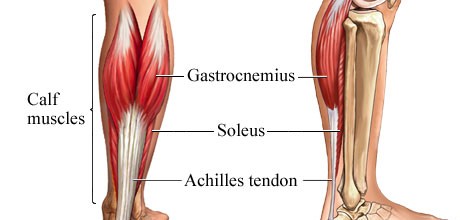
The achilles tendon is the biggest and strongest tendon in the body located in the back of the lower leg. The tendon has the capacity to resist large forces. It stems from the calf muscles (the gastrocnemius and soleus) and inserts into the heel of our foot (the calcaneus).

What is Achilles Tendinopathy?

A tendinopathy is a disorder which can happen when there is disrepair and disorganisation within the tendon structure. This can happen when there is excessive load placed on the structure, for example if someone starts running and increases their mileage too quickly.

The effects of overuse, poor circulation, lack of flexibility, gender, and hormonal factors can lead to tendinopathies. The structure of the tendon is disturbed by repetitive strain, causing inflammation. This cumulative microtrauma weakens the tendon, which ultimately leads to tendinopathy, especially if recovery is not allowed.

read more
Peak PhysioAchilles Tendinopathy – a common running injury
christmas-card-2945633_960_720.jpg

5 Tips to Keep Moving Over the Holidays!

2/3 of Irish adults are not getting enough exercise. All though Christmas is a time to switch off and relax, it’s important to try maintain a level of activity over the festive period. Here are easy tips to help keep you moving.

1. Walking
Weather permitting, try meet your friends and family for a nice walk instead of sitting by the fire. Aim to get up to your 10,000 steps daily.

2. Stretching
Going through a stretching regime is a nice way to get moving. Check out some good overall body stretching exercises here and here.

read more
Peak Physio5 Tips to Keep Moving Over the Holidays!
20141128-1DX_96081.jpg

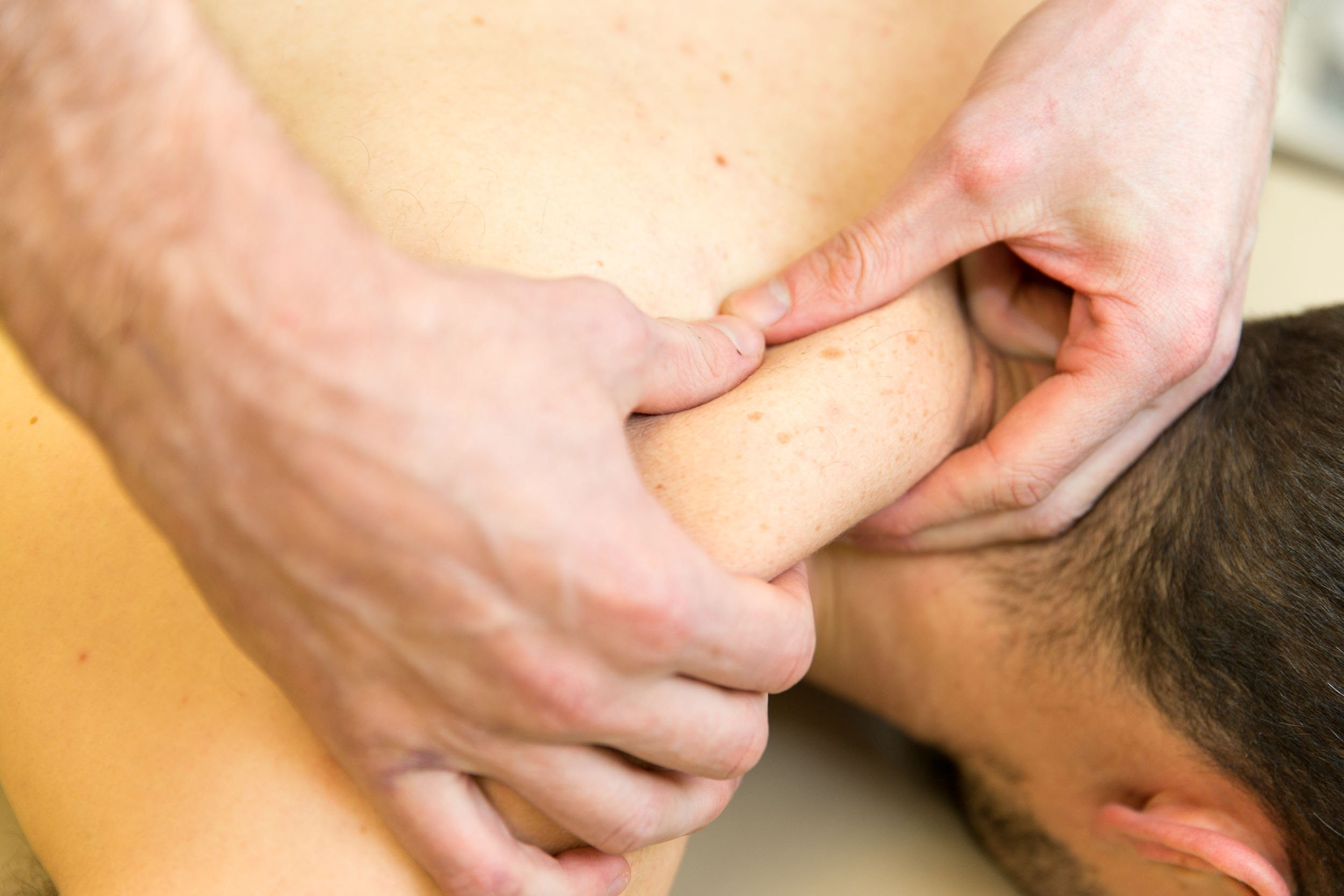
Why should I get a Deep Tissue Massage?

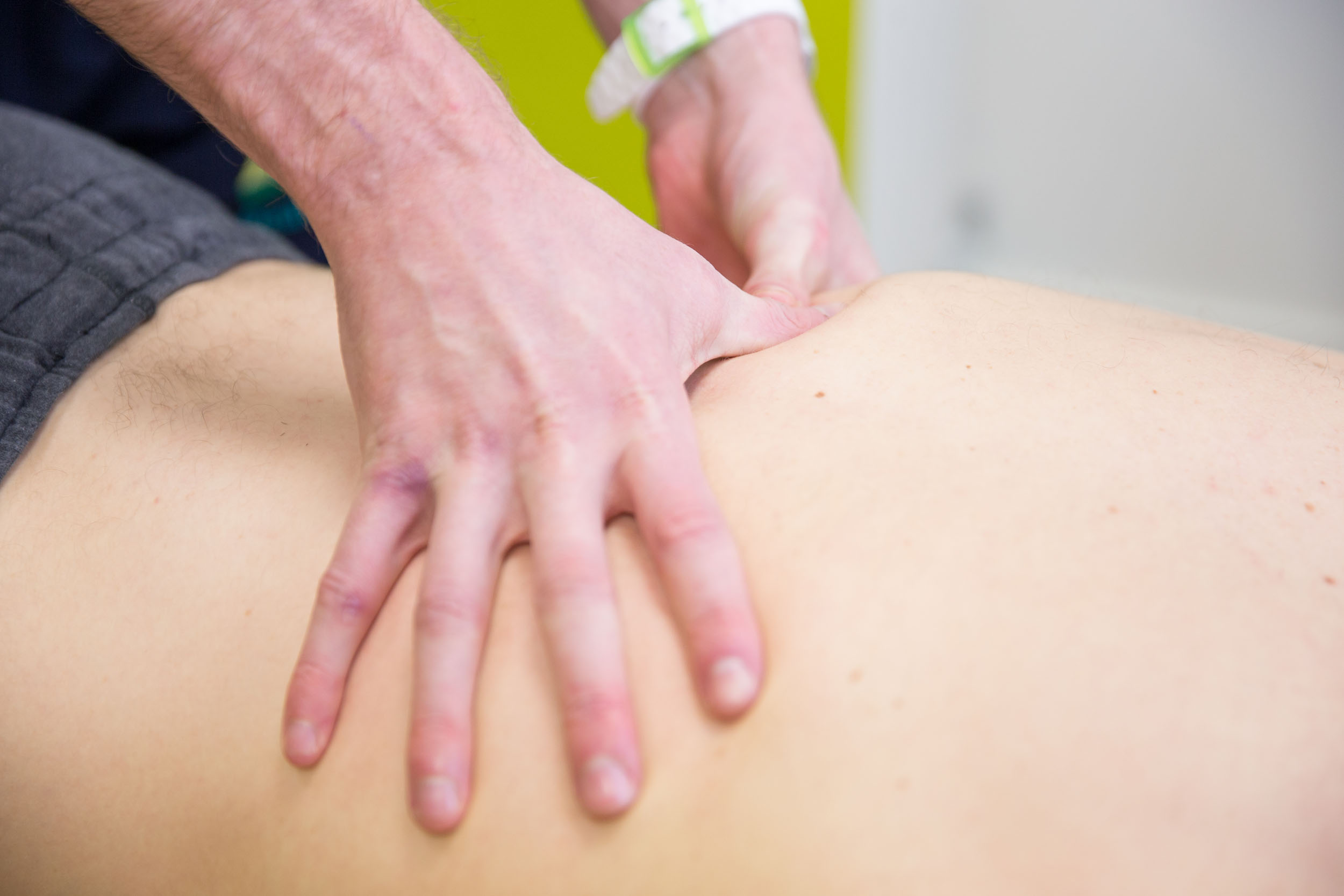
When it comes to hands on skills Chartered Physiotherapist are highly trained in the area. We are trained in the specific manual techniques which will work deeper into the tight tissue thus giving the best results.

Deep tissue massage focuses on getting into the deeper layers of Muscle,Fascia and Connective tissue. Often these structure can be tight and inhibited causing either pain or restriction in joint.

Massage is very effective in releasing inhibited muscles, preventing injuries, and helping the body to recover from tough training or competitions. It is also very effective in helping with chronic problems, such as back and neck pain.


Benefits of Deep Tissue Massage

read more
Peak PhysioWhy should I get a Deep Tissue Massage?

What Is My Rotator Cuff & Why Is It Important?

What is the rotator cuff?

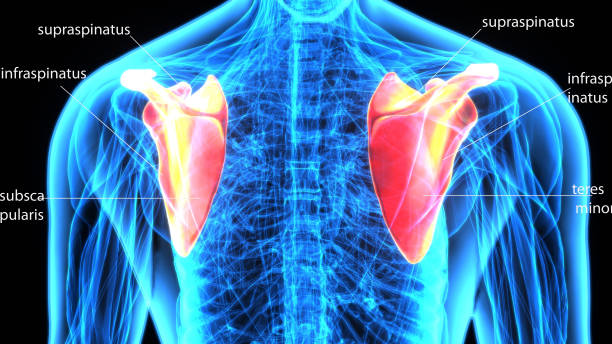
The shoulder is the the most unstable joint in the body and comprises by 3 main parts the glenoid, the humerus and the scapula (shoulder blade). The shoulder joint is stabilised by several structures; ligaments, capsule and the tendons of the rotator cuff. The rotator cuff is made up of 4 muscles, SUPRAPINATUS, INFRASPINATUS, TERES MINOR and SUBSCAPULARIS. These muscles work together to rotate the arm inwards and outwards and also work to take the arm away from the body to the side. These muscles can be injured in several ways with repetitive movements, trauma, muscular imbalance or adaptive postures.

In anatomy, the scapula (plural scapulae or scapulas)

Why is it important?

read more
Peak PhysioWhat Is My Rotator Cuff & Why Is It Important?
EoinPeak Physio Blog