Why practice Yoga?
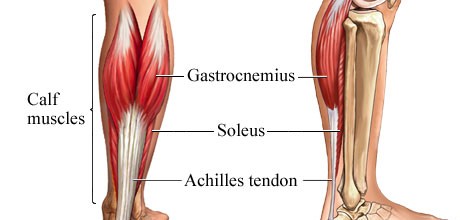
Through the practice of yoga, we become aware of our postural holding patterns, our weaknesses and our imbalances. Some of these things can lead to pain and injury. With awareness, we can learn how to balance the muscular and skeletal systems of the body, create strength and flexibility and correct postural dysfunctions before they become troublesome.
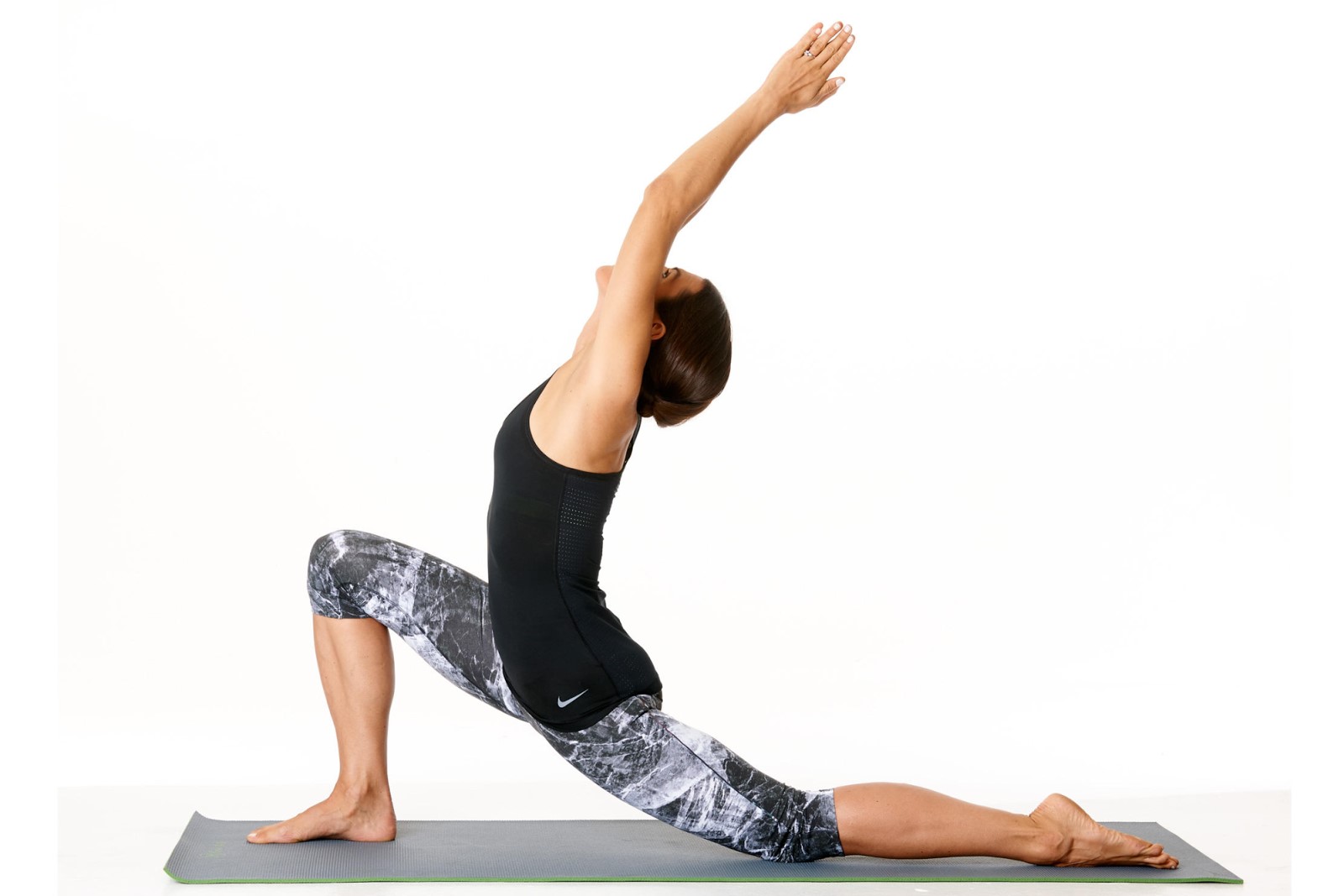
According to Yogic Subtle anatomy, we have 3 bodies;
1) the physical body or the body of food;
2) the Subtle body or the body of the mind and the emotions and
3) the Causal body or the body of the soul.
Through the practice of yoga we can balance the physical and subtle bodies and connect with the causal body. If we practice for the physical body, then our body will benefit. If we practice for the mind and heart then, the mind and heart will receive the benefits of the practice. Practice is what we make it; our intention when we come to a class creates the dimensions of conscious awareness and connection we experience. We can change our intention daily, depending on what we are feeling and needing. We can choose from various intentions: mental and emotional clarity, physical alignment, stability, release and flexibility, grounding and stress relief etc. No matter what daily need you decide on, the practice of yoga inherently assumes the intention of creating connection with mind, body and spirit. In this way yoga postures become gateways into the subtle dimensions of our deeper selves.
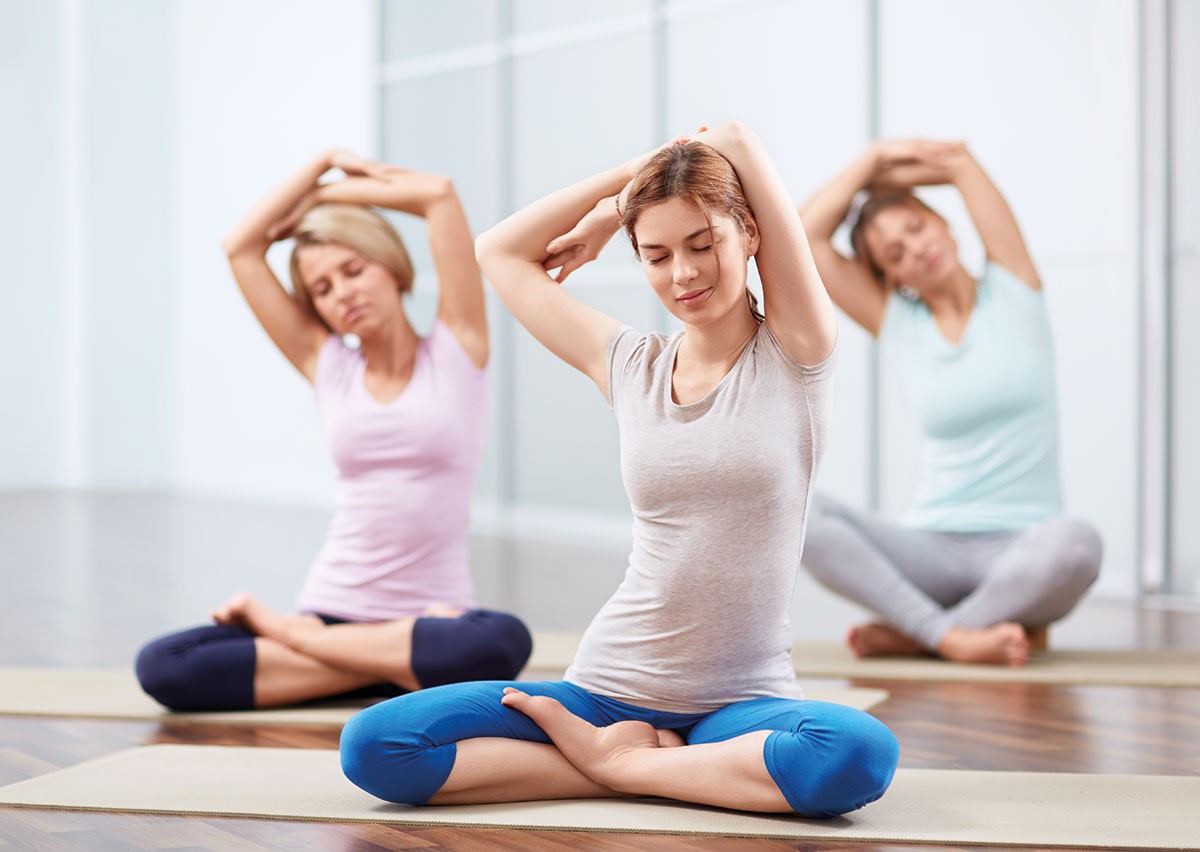
In addition, connection with the body is a genuine way of moving out of the limited linear left brain of structured consciousness, the domain of the ego, where most of us reside throughout the day. By moving out of the ego and into the body/mind, we move into our sensations and feelings, our intuition and the subtle reality of the energy body which creates space and freedom in our awareness and our sense of self. The right hemisphere of the brain is believed to correlate to the left side of the body and the left hemisphere of the brain to the right side of the body. In the practice of yoga, as we balance the right and left side of the body, we also create balance in left and right hemispheres of the brain.
Mental and energetic blocks can create physical limitations in the body and pain, which in turn impact on the breath. The yogic perspective sees physical blocks as having energetic, mental and emotional dimensions. When we work with the body in yoga, we start with alignment principles of postures in relation to muscles and bones. However, as our practice develops, we work from a place of stillness in the mind, we observe our breath, our mental focus and our emotional states in relation to our body. By developing a calm attitude on the mat, we can observe our mental and emotional responses to physical challenges and learn more about ourselves, our habits and our bodies.
If you want to know more about our yoga classes, feel free to contact us or have a look at our classes and timetable.