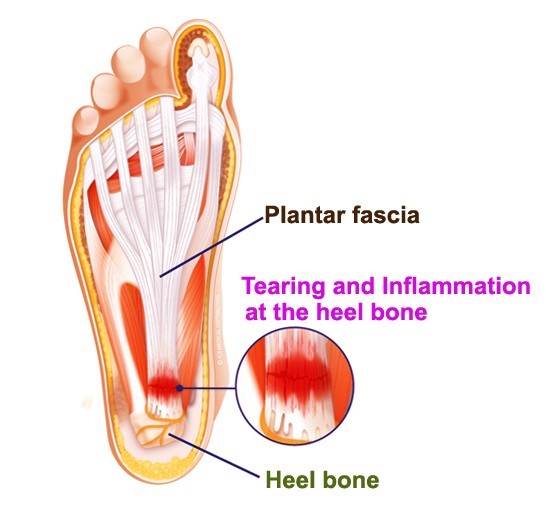
Plantar fasciopathy has been used as the new name for plantar fasciitis and it makes good sense why.
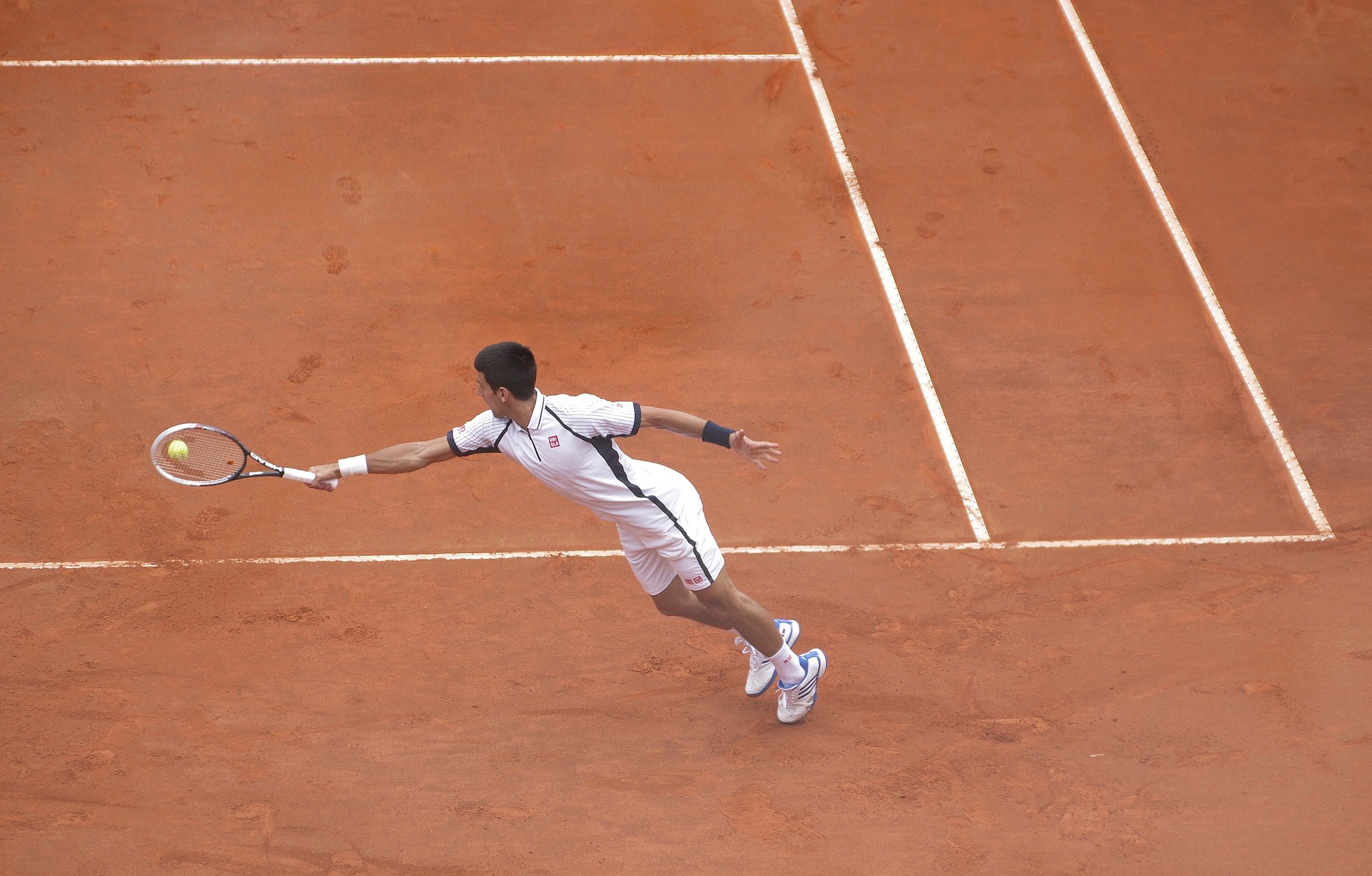
Plantar fasciopathy can be a runner’s nightmare. Athletes are training really hard, trying to increase their training load for the upcoming races and boom, they start to get pain in the bottom of their foot or heel.
“I’ll just run it off”
The pain begins to get worse. Awakening in the morning, the patients report pain when getting out of bed but gradually eases out. It can get sore again when at home after work.
So why does it occur?
There is numerous risk factors to why people get plantar fasciopathy.
- Overload/ overuse – excessive running, time on feet or change in running programme (uphill running)
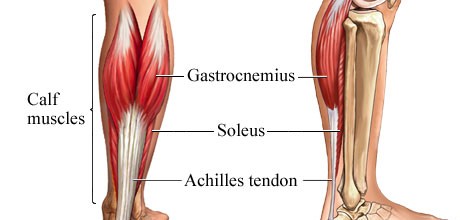
- Weak calf strength
- Poorly fitted shoes – unsupportive footwear
- Surfaces ie hard or uneven surfaces
- Obesity
- Middle aged
- Wearing saddles or being in barefeet
- Pregnancy
“Ok, now tell me how to get rid of please!”
Traditionally treatments consisted of stretching, taping, gel heel inserts and injections.
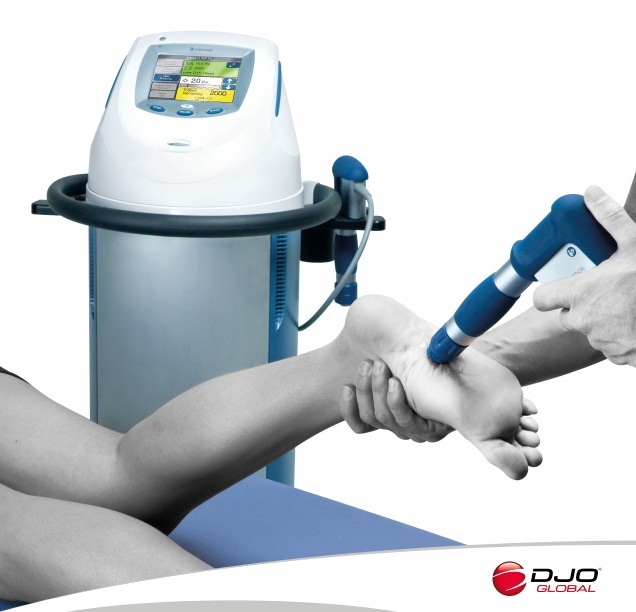
However we have found the best results by using Shockwave Therapy
A study by Ibrahim et al (2010) showed that when shockwave was used to treat Plantar fasciitis, it resulted in a 94% decrease in pain in those patients treated with shockwave. Clinically we have found an improvement after 1 treatment of shockwave and a full recovery within 3-6 treatments of shockwave. We are currently one of the only clinics in Dublin to offer shockwave. There is no additional cost for shockwave
Current Research
Rathleff and Thorborg (2015) wrote an editiorial review in the British Journal of Sports Medicine on recent research on plantar fasciopathies. They hypothesised fasciopathies have the same characteristics as a tendinopathy. Fascia consists of type 1 collagen fibres and exhibits tendinopathy traits. Rathleff et al (2014) treated the fasciopathy with slow, high-load strength training with heel inserts and fascia specific stretching. This was superior to plantar fascia-specific stretching in addition to heel inserts after 3 months.
A rounded approach to treating plantar fasciopathy is important and a good, detailed assessment will help identify the main aggravating factors for the injury and at what stage the fasciopathy is at. Managing these factors is an important addition to shockwave and a good strengthening programme.
It is important the patients know that generally plantar fasciopathies take usually a few months to resolve and as well as shockwave and a good strengthening programme other important pillars of rehabilitation are looked at in progressing them back to their normal levels of activity.
If you suffer from pain in the bottom of your foot or heel pain and would like a detailed assessment, please contact us or book online to see one of our chartered physiotherapists.
If you would like more information on Shockwave just click here