In recent years, there has been a significant increase in people running. With resources like couch to 5Km applications and programs, making running more appealing and accessible than ever. However, this increase has come with a cost. Before starting on one of these programs, I would highly recommend a physio consultation with a structured rehab plan specific to you and your body. These programs are generic, meant for the general population.
If you have a past medical history involving a lengthy list of injuries, it may be worthwhile consulting a healthcare professional. It is common in Physiotherapy, where some clients present to clinic in pain because they thought they would take to the roads running and subsequently injure themselves and blame running. Running is not bad for you, it is the way that you likely run.
There are some basic questions you will need to ask yourself.
- Can you perform a single leg squat pain free with symmetrical control?
- Can you perform a lunge with steady and stable control both sides?
- Can you perform a bridge?
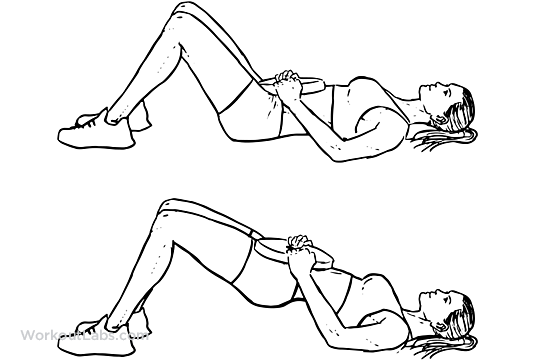
These basic tests give you an idea of your ability to balance on one leg, control the forward momentum created in running with the lunge and your extension control ( i.e.. your gluteals, hamstrings and back extensor muscles).
This is a very basic analysis of the movements and control required in running. This article is aimed at those who want to start exercising or running. Someone told me once ‘You would not try to shoot a cannon off a canoe’. This essentially means, you need a stable base or platform to exercise from. If this doesn’t exist your body may break down quicker than you would expect.
This is the stage that clients generally present to the physio or doctors clinic.
However at this stage it is too late to get a quick fix. I am a firm believer that physio maintenance sessions should be adopted throughout the country and schools. More than likely, you get your teeth checked every 6 months, at the dentists. Yet, when was the last time you thought I might have the body ‘checked’ at the physio clinic.
This approach is being adopted in some counties, where they are implementing movement screens in schools, most notably The Functional Movement Screen. The results generated are then used to stratify kids at risk of injury. The screen then implements a rehab program for the ‘at risk kids’. This has several effects on the competition at school level. The overall competition and skill level at the school is raised, the kids whom would normally not play any sports may participate more as they do not feel inferior to the ‘talented’ kids.
From a physio perspective, the children minimise any injury risk and will go on to participate in more sports, exercise more frequently as they are not in pain or injured. These measures can aid children seek an active lifestyle in our increasing technological obsessed age.
If we adopt this approach at the school level and encourage better movement patterns, we will as a nation get less injuries. This will potentially improve the quality of sports at the school and college level.
With the Olympics just finished, it might be worth considering you are sat beside the next Usain Bolt if given the right advice at the right age or stage of their physical conditioning and development.
Feel free to contact us or book online to see one of our chartered physiotherapists!