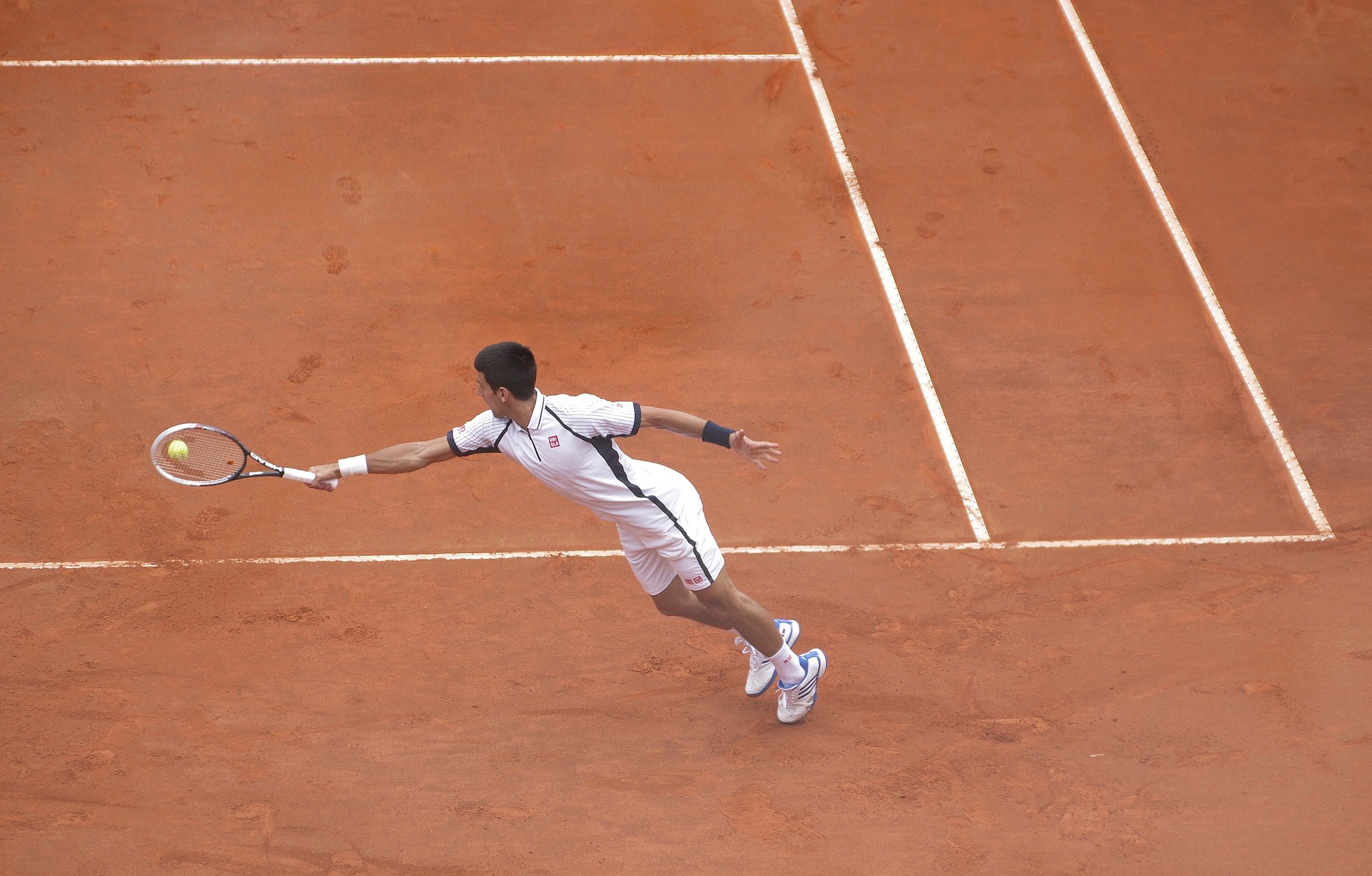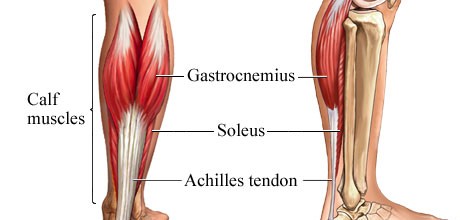
Groin and hip pathologies have been recently grown popular in the media. It has been viewed as a complex area, sometimes referred to as the Bermuda Triangle of injuries. in sports medicine. With increased research in the area, this has lead to better diagnosis and treatment.
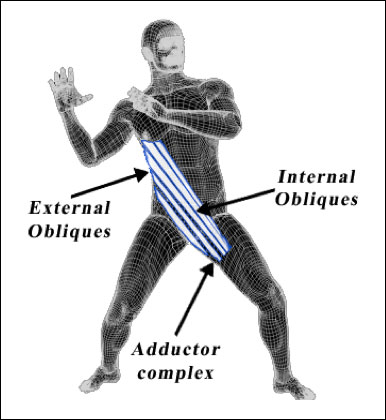
Groin injuries have been regular occurrence in games such as soccer, gaelic football and hurling for years. The stress placed on the muscles around the inner thigh once playing sports that involve a lot of cutting and changing of direction, can lead to strained muscles if there any weaknesses. The muscles in question need to flexible, strong and reactive to the demands of each sport. Groin injuries have hampered the careers of high profile athletes such as Jonny Wilkinson (rugby) and Michael Owen (soccer).
The mechanism of the injury varies and the subjective assessment (questions asked during the initial physio appointment) can help work out the way that the injury occurred. The initial signs of this type of injury is a dull ache in the thigh, worse initially during exercise, eases slightly during and worse again afterwards or the next morning. It is generally caused by muscle imbalances, movement restrictions or poor movement patterns.
Initial signs that a problem is developing can be a reduction in the speed of sprinting or propulsion from a standing position. An athlete will demonstrate slower speeds once changing direction and pivoting. Occasionally athletes may experience pain with more dynamic movements such as jumping and throwing activities.
The type, intensity, duration and nature of your training can help aid a diagnosis. For example, Jonny Wilkinson would spend hours practicing his kicking every night after training, always from his left foot, compressing his hip with the kicking motion. The repetitive and dedicated nature of his practice meant he eventually overloaded these structures. This lead to considerable time missing from his sport and less minutes on the pitch.
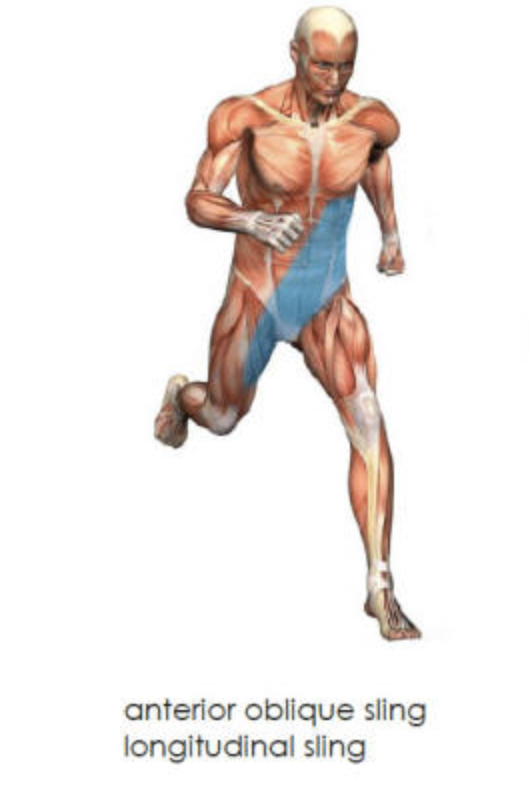
There are three sources of groin related injuries.
1.Adductor related pathology ; This includes muscle strains or tendinopathy of either hip flexor/adductor/gluteus medius. They tend to occur with sudden onset if they are strained. Without the appropriate rehab, or due to a sudden increase in the tendon load (the number of sessions or high intensity) develop into a tendinopathy. The most appropriate test for this is to squeeze a pillow/football between your knees at 45degrees. If this reproduces pain, it would suggest a groin related injury.
- Abdominal related pathology; This is in relation to core weakness. This type of condition will be made worse with resisted sit ups or rotational movements such as throwing or twisting. In order to prevent this type of condition it helps performing slow and controlled rotational movements such as wood chops or attending Pilates classes where these movements are observed and addressed.
- Hip related Pathology : this is a more complex area of debate. The general presentation is a patient reporting locking or clicking in the hip itself. The pain is deep inside the hip joint, not superficial like the other types of groin injuries. Each person is different in terms of the shape, size and angle of our femur (hip bone). This leads to a lot of controversy regards a NORMAL for hip range of movement and strength. Ultimately, you should strive for your left to be similar to your right side. There is variation in a lot of athletes such as gymnasts compared to gaelic footballers. A Gaelic football player does not require the range of movement that a gymnast has, but may benefit from more strength within their range of movement.
Rehabilitation is a slow and lengthy process. However, athletes can make a full recovery with a thorough rehab program, progressing from floor based to weight bearing exercises before addressing sport specific rehabilitation. It is worthwhile working on any tight structures and stiff areas that might be contributing to the painful area. If you are experiencing pain in these areas, please seek the advice of a physiotherapist or healthcare professional. The material and advice provided here is a generic overview of hip and groin related pathologies.
I hope you found it useful and if you need to discuss whether physio would be helpful, please contact us for further information or feel free to book online to see one of our chartered physiotherapists.
Moore, J (2011) Pre-habbing and rehabbing the sporting groin, the gilmore groin and hernia symposium,RSM,.
Sahrman,S (2002) diagnosis and treatment of movement impairment syndromes, Mosby, pp.121-144.