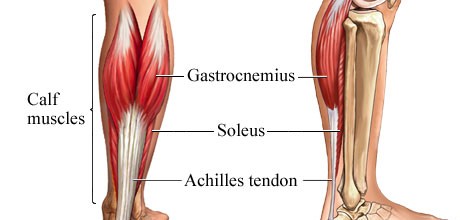
Is your core strong enough?
Firstly we must start by asking what the core muscles are and what is there function?
They are the muscles of the Lumbar, Hip and abdominal = Core
It can be broken down further into the local muscles ie: the stabilizing muscles
And the global muscles ie: the movement muscles
So why are these muscles so important?
Poor core stability can result in a number of problems
- Lower back pain
- Pelvic Dysfunction
- Associated neck and mid back pain
- Lower limb dysfunction
- Upper limb dysfunction
How do we know whether we have good core stability or not?
A recent study looked at 3 exercises to test core stability
1) Side Plank
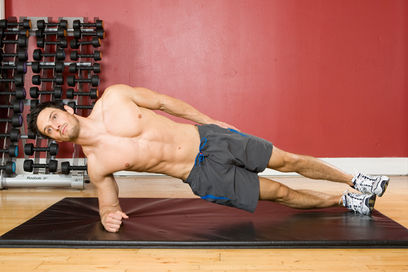
2) Sit up hold

3) Back extension hold
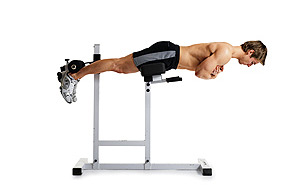
| Exercise | Male Seconds position held for | Female Seconds position held for |
| Side Plank | 96 | 96 |
| Sit up Hold | 136 | 134 |
| Back Extensor Hold | 161 | 185 |
So what this is telling us is for good core stability that roughly we should be able to hold a side plank for one and a half minutes, a sit up for over two minutes and your back into extension for 3minutes.
Now for most people this can be pretty difficult. So how can we improve our core stability??
The exercises that have been show to activate the major core stabilizers are
1) Side Plank

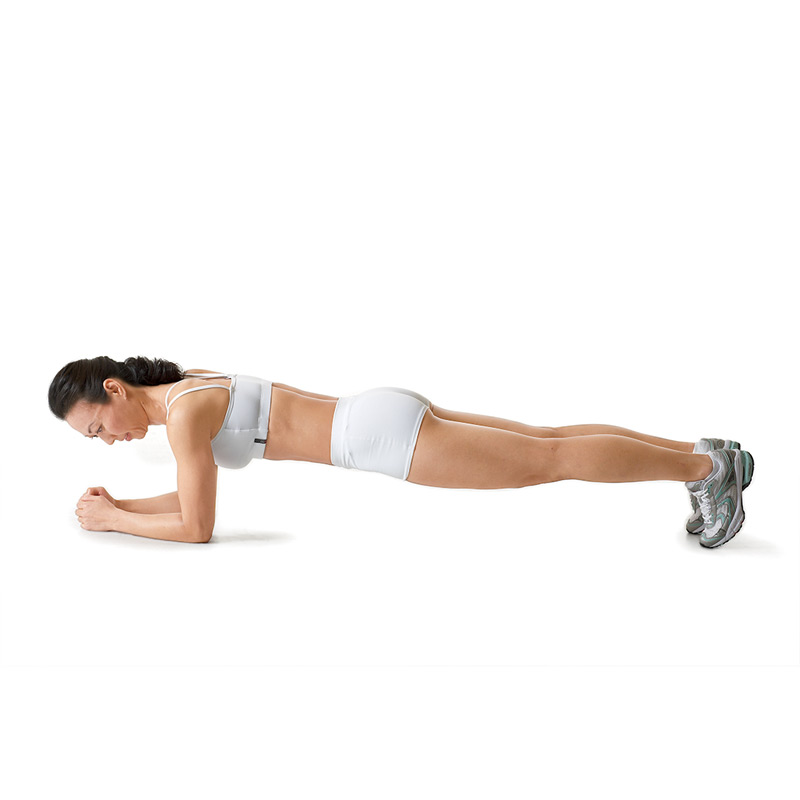
2) Plank
 3) Single leg Bridge
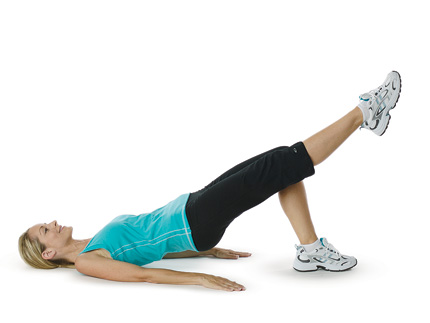 4) Super Man

Tips:
The best way to build your core is by doing these exercises with static holds
ie: holding the exercise as long as possible.
Do the exercise once, find how long you can hold the exercise while maintaining a good posture, take a note of this time.
Repeat the exercise 5 times, with a minute rest in between.
As you get stronger increase the length of the holds and amount of times you do each exercise.
Recommendations.
Before starting any core program see a physiotherapist who can test your core muscles.
Design a program for you.
Make sure you are using the correct postures for each exercise
If you want to get started on improving your core strength, don’t hesitate to contact us or book in online to see one of our physiotherapists!
References:
Bergmark et al. Categorization of lumbar, hip and abdominal muscles, 1989.
Donatelli et al. Assessment of quadratus lumborum, local and global core muscles, JOSPT 2007.