

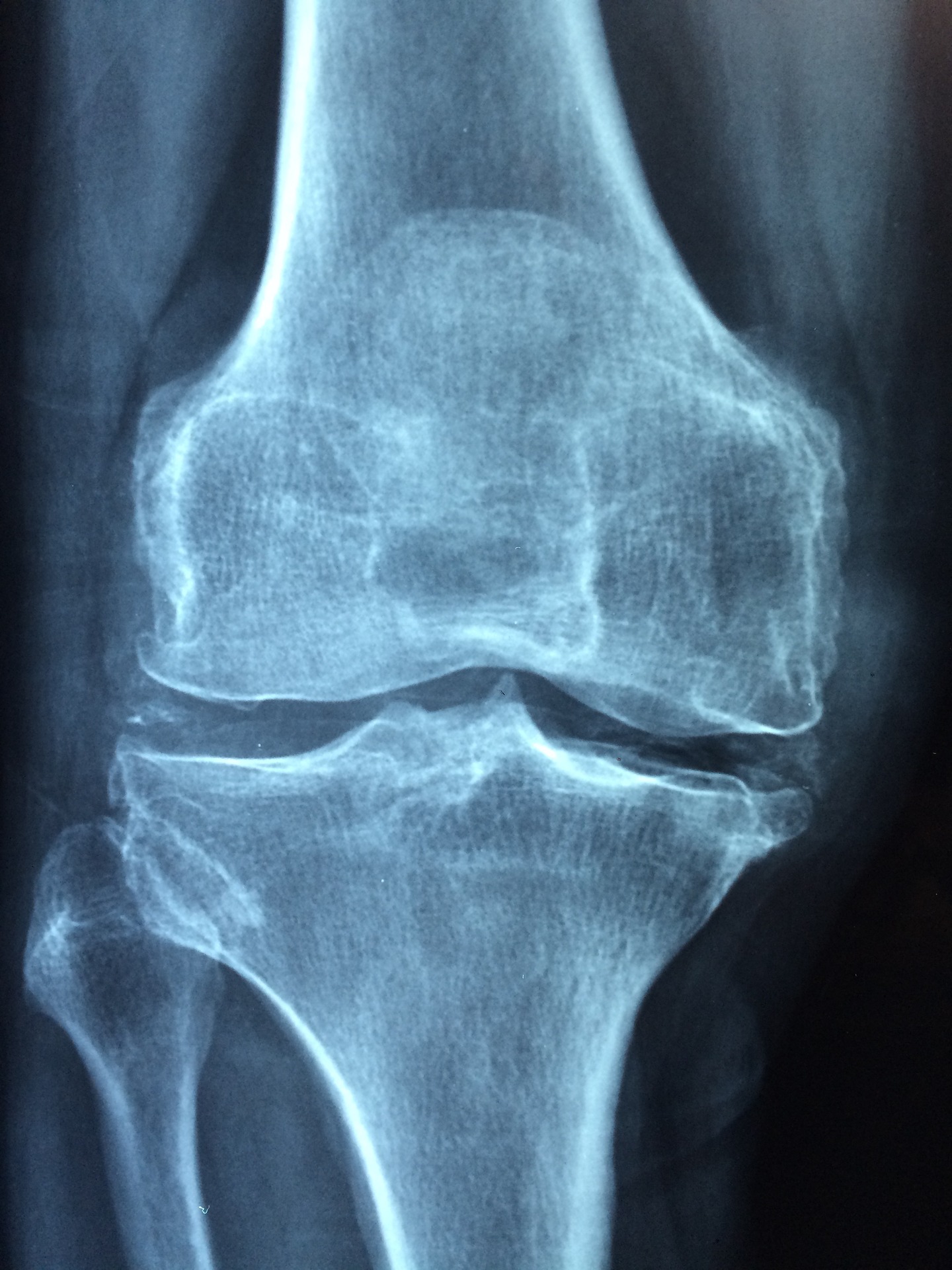
What Is Osteoarthritis?
Osteoarthritis, commonly known as wear-and-tear, is a condition in which the natural cushioning between joints, the cartilage, becomes worn. When this happens, the bones of the joints rub more closely against one another with less of the shock-absorbing benefits of cartilage. The rubbing results in pain, swelling, stiffness, decreased mobility and, sometimes, the formation of bone spurs.
Who Gets Osteoarthritis of the Knee?
Osteoarthritis is the most common type of arthritis. While it can occur even in young people, the chance of developing osteoarthritis rises after the age of 40. With the knee being one of the most commonly affected areas. Women are more likely to have osteoarthritis than men.
What Causes Knee Osteoarthritis?
The most common cause of osteoarthritis of the knee is age. Almost everyone will eventually develop some degree of osteoarthritis. However, several factors increase the risk of developing significant arthritis at an earlier age.
-Age The ability of cartilage to heal decreases as a person gets older
-Weight Weight increases pressure on all the joints, especially the knees. Every pound of weight you gain adds 3 to 4 pounds of extra weight on your knees.
-Heredity This includes genetic mutations that might make a person more likely to develop osteoarthritis of the knee. It may also be due to inherited abnormalities in the shape of the bones that surround the knee joint.
-Gender Women ages 55 and older are more likely than men to develop osteoarthritis of the knee.
-Repetitive stress injuries These are usually a result of the type of job a person has. People with certain occupations that include a lot of activity that can stress the joint, such as kneeling, squatting, or lifting heavy weights (55 pounds or more), are more likely to develop osteoarthritis of the knee because of the constant pressure on the joint.
-Athletics Athletes involved in football, tennis, or long-distance running may be at higher risk for developing osteoarthritis of the knee. That means athletes should take precautions to avoid injury. However, it’s important to note that regular moderate exercise strengthens joints and can decrease the risk of osteoarthritis. In fact, weak muscles around the knee can lead to osteoarthritis.
-Other illnesses People with rheumatoid arthritis, the second most common type of arthritis, are also more likely to develop osteoarthritis. People with certain metabolic disorders, such as iron overload or excess growth hormone, also run a higher risk of osteoarthritis.
What Can We Do To Help?
Physiotherapy is recognised as one of the most effective ways to improve the symptoms associated with osteoarthritis of the knee. There are a wide range of exercises and techniques that can help such as:
-Strengthening: Developing strength in the muscles of the thigh (quadriceps, hamstrings and gluetals) helps to reduce the force through the joint and as a result can help to reduce pain.
-Mobility exercises: Regularly stretching the joint through its range of movement, promotes the production of synovial fluid within the joint to allow smooth movement.
-Pain relief: Acupuncture/ Dry Needling is recognised to promote the release of naturally existing analgesic and anti-inflammatory chemicals.
-Weight loss: Reducing body weight by 10% can be seen to improve pain symptoms by 60% alone. Losing 10 pounds of weight reduces the load through the knee by 40 pounds.
-Unloaded exercise: Often exercising with knee pain can be difficult due to symptoms becoming irritated. Swimming or cycling can help as there is reduced load through the joint. This will reduce pain, improve muscle strength, mobilise the joint and can help facilitate weight loss.
Do I Need An X-ray?
More often than not an X-ray gives us little more information than we can get from doing a proper assessment of your movement and strength using specific tests. It is known that up to 60% of people with an X-ray which shows osteoarthritis will actually have no symptoms. Severity of symptoms do not correlate to severity of an x-ray image and we must look at the bigger picture when assessing your condition and creating a course of best management.
Do I Need An Operation?
As with all conditions it is always important to have exhausted conservative means of treatment before opting for a surgical remedy, in many cases losing weight and developing strength can be more effective at reducing long term knee pain than opting for surgery.
When conservative measures fail and pain is becoming more uncontrolled this is often when surgery is the best option.
If you are suffering from knee pain and want to learn more or to have an assessment with a Chartered Physiotherapist please contact us at Peak Physio.
Scott McCreadie 31/07/2018
Senior Physiotherapist
References:
Arthritis Ireland
Physiotherapy management of knee osteoarthritis: CJ Page, Int J Rheum Dis, 2011.
NICE Guideline: Osteoarthritis: the care and management of osteoarthritis in adults, 2008