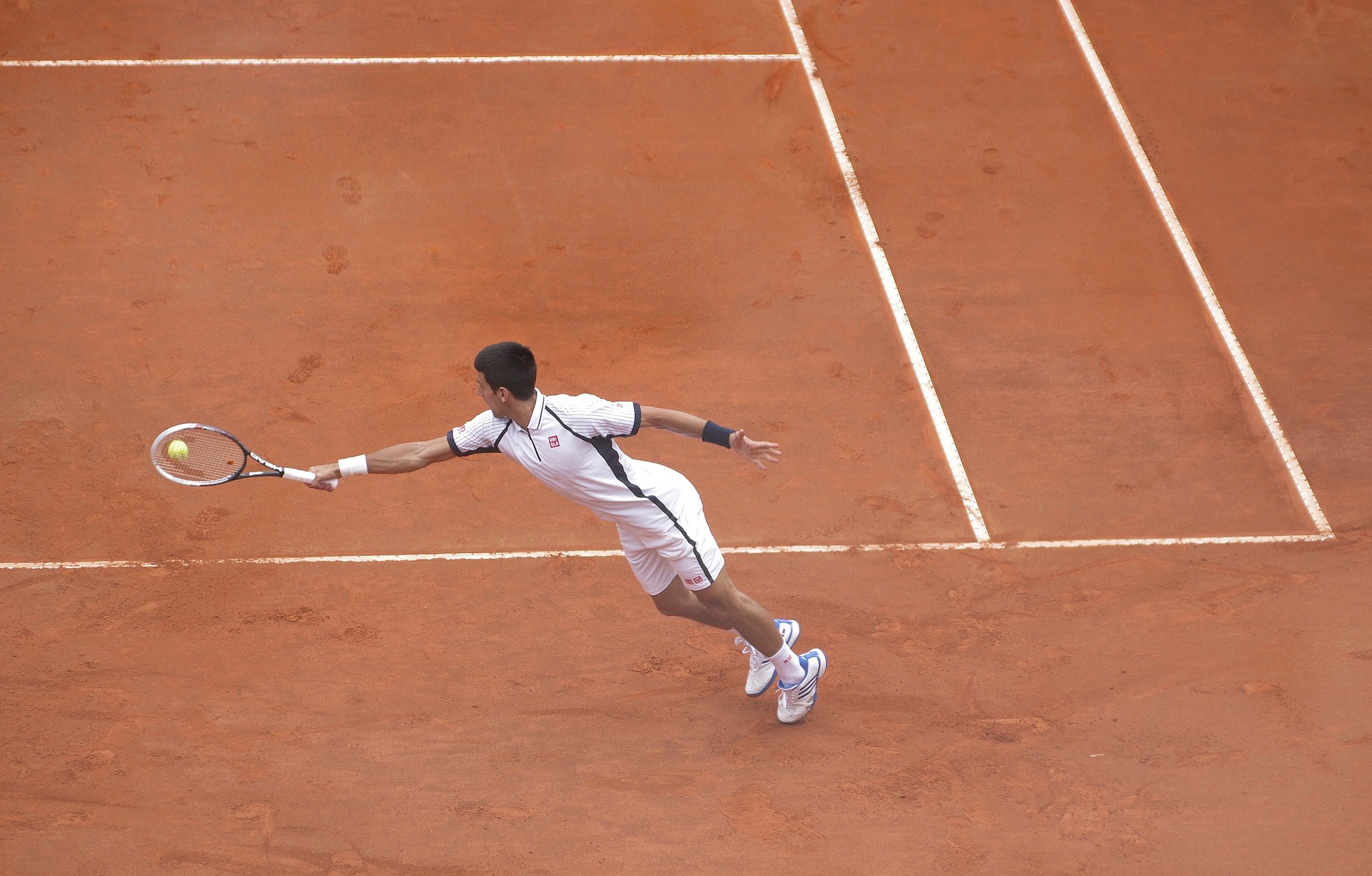
Tendinopathies are a common source of pain in athletes. However for coaches and patients it can be difficult to understand and acknowledge in training and competitions. They develop over the course of preseason where the intensity of the training is increased. Stereo-typically athletes experience an aching tendon or region at the start of a session, ease off once the tissue is warmed up and then a dull ache the next day for 24hours, slightly more than normally. If the ache in question is worse for greater than 48hours, the sporting activity is likely too much for the tissue at that time and a rehab plan should be started.
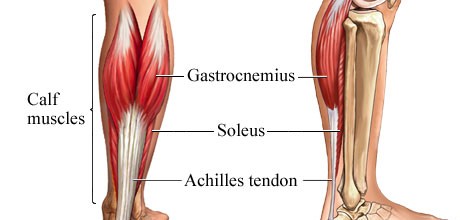
The common sites of these injuries are the Achilles, patellar and more recent evidence about Gluteal tendinopathy. They are generally caused from an overuse injury. This means that an athlete suddenly increases the amount of training, intensity or duration of training over a short period of time. It is important to analyse any variables that may have changed in the run up to the pain presenting.
Common incidences include runners incorporating hill runs or sprints into their programs, changes in footwear or else the running route. It may only take a subtle change to challenge the muscle and tendon to the point it overloads it.
This results in an increased load to the specific structure in question. However, connective tissue has one-tenth the healing rate of normal muscle tissue. This means that the delayed onset of muscle soreness after a hard session does not recover in the tendon as quick as it would in the muscle belly itself. This leads to an increased fluid content in the tendon. This is stereotypically seen in the Achilles tendon at the ankle as a clients point to a swollen and tender to touch area.
This is a result of proteinglycans being deposited into the tendon sheath. The swelling is fluid retention. The healing process and time frames involved in these injuries can be quite lengthy.
The healing depends on finding the variable that caused the tendon overload in the first place. In order to do this, one must assess any postural habits, running habits, training intensity or schedule. In the run up to the Dublin Marathon, tendinopathy injuries are quite commonly presented to physio clinics throughout the country.
Initial management should involve ice post run or injury itself to reduce any inflammation. Occasionally Friction massage can cause an element of micro trauma which speeds up the healing process. This is due to the connective tissue having quite a poor blood supply. Modification of the activity that is irritating the pain. This can be as simple as cycling or using the cross trainer instead of running on the roads.
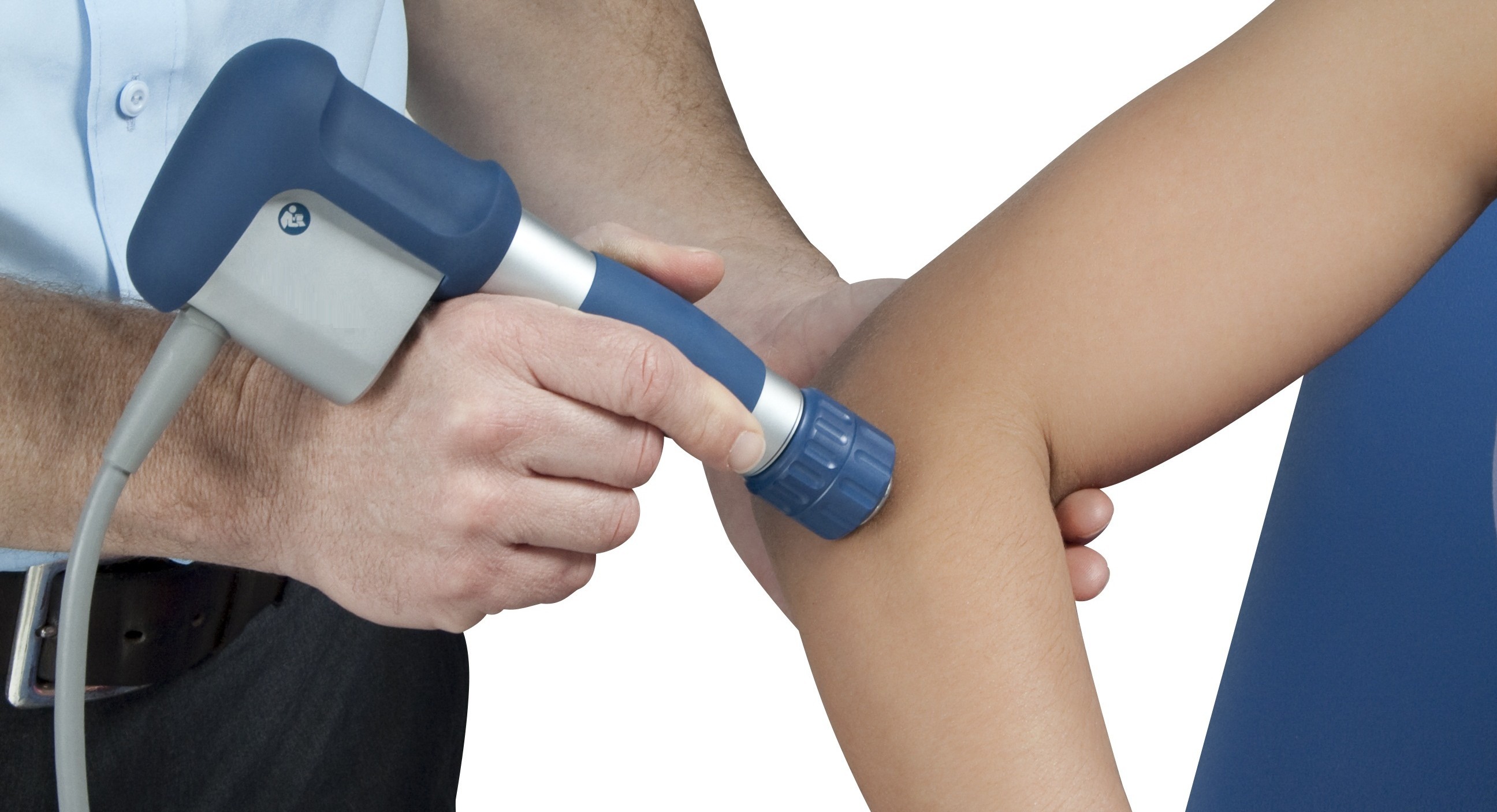
There is some evidence to date, that heat can speed up the connective tissue healing rate and lead to a faster resolution of your symptoms. This has been anecdotally mentioned quite a bit in gymnastics circles. The reassuring news is that these injuries do resolve. If you follow a progressive loading program and challenge the body at the appropriate time. This combined with shockwave treatment have shown to be the most effective way in treating tendinopathy’s. From a physio perspective, it is crucial to settle the pain initially, ensure mobility of the affected joint is optimal, and then start a strengthening program with bodyweight, then weighted, before eventually progressing onto more dynamic, explosive and sport specific training.
This program is done simply on two legs before planning a single leg phase of the rehab to spark the healing process and prevent any compensatory patterns developing. If you are struggling with a Tendinopathy, consult us for more specific advice or a individualised rehab program to help you reach your personal best (PB). Check out our new You Tube Channel to view our rehab of Achilles Tendinopathy
There are many claims about ways to improve symptoms and speed up the healing process. From acupuncture, to green tea to Omega 3 supplements, all have been linked with symptom resolution. However Shockwave has by far the most research behind it, showing how it can help speed up the heeling process Start with the basics first of all and consult a professional in the field whom deals with Tendinopathies.
For further information please feel free to contact us or book online to see one of our chartered physiotherapists.